
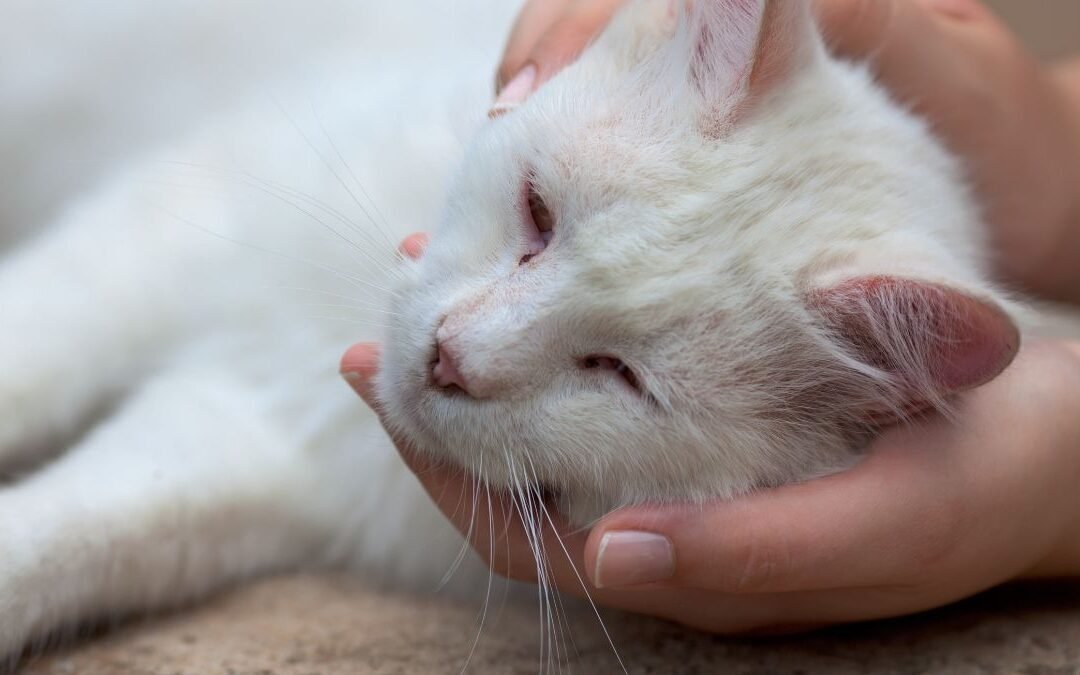
There’s a familiar sight in many homes: a cat draped across the arm of a sofa, curled into a ball on the bed, or stretched luxuriously in a patch of sunlight. Hours pass, and the same scene remains—your cat still resting, still unbothered, still deeply asleep. For some owners, this endless calm brings a surprising edge of concern. You may catch yourself wondering whether your cat is simply enjoying their day or showing early signs of illness. The truth is that cats sleep far more than humans ever do, and their long rest cycles are not a signal of weakness or poor health. They are, in fact, one of the most common normal cat behaviors mistaken for illness.
Many people ask the same question you’ve probably asked at least once: “Is my cat sick or normal?” It’s an understandable worry, since cats conceal discomfort so easily. But once you understand how feline sleep works—why they sleep so much, how their energy cycles flow, what patterns indicate health, and which signs truly matter—your cat’s long hours of rest begin to feel far less mysterious and far more reassuring.
Healthy cats are not idle; they are efficient. Their bodies are designed for bursts of strength and speed, and these intense periods of activity must be balanced with long stretches of recovery. This article looks deeply at feline sleep rhythms, common misconceptions, environmental triggers, and behavioral clues that separate normal sleep from genuine lethargy. The goal is to give you a clear, confident understanding of how normal these extended rest periods really are, while still helping you recognize when something deserves closer attention.
Cats Aren’t Lazy — They’re Designed to Sleep
Anyone observing a cat for more than a day quickly notices how much time they spend asleep. The average adult cat rests between 12 and 18 hours daily, and some exceed even that range. Kittens, seniors, and highly active breeds may sleep close to 20 hours. Their rest patterns don’t reflect laziness; they reflect survival instincts shaped by thousands of years of evolution.
In the wild, cats rely on short bursts of power to ambush prey. They don’t chase for miles. Instead, they conserve their strength until the perfect moment arrives. Domestic cats—although surrounded by soft blankets, air-conditioning, and predictable meals—still carry this instinct. Their daily life mimics the same biological cycles, even if their “hunt” is a plush toy or the flicker of a laser pointer.
Why Cats Naturally Sleep So Much
- Predatory Instincts. Cats burn significant energy in sudden sprints or jumps. Sleeping restores muscle power and sharpens reflexes.
- Crepuscular Rhythm. Cats are most alert at dawn and dusk. Their sleep schedule rarely aligns with human routines, which can make them seem unusually tired.
- Temperature Regulation. Sleep helps maintain body temperature. Cats may sleep more in hot conditions to avoid overheating or in cold conditions to conserve warmth.
- Growth and Development. Kittens need extensive sleep because growth hormones release primarily during deep sleep.
- Age-Related Shifts. Senior cats slow down naturally and require more rest to stay comfortable.
These characteristics form the foundation of feline biology. Cats sleep because their bodies are shaped for it, not because something is wrong. Once you understand this, that long afternoon nap—or the third one of the morning—begins to look perfectly reasonable.
The Line Between Normal Rest and Concerning Lethargy
Sometimes, the challenge isn’t recognizing that cats sleep a lot—it’s knowing when that sleep crosses into something unhealthy. The answer lies in patterns, not in the sheer number of hours spent asleep. A healthy cat may rest most of the day, but they wake to eat, stretch, groom, and explore. Their sleep has a rhythm, a cycle, a kind of predictable pulse.
Lethargy, on the other hand, disrupts that rhythm. A lethargic cat lacks interest in activity, food, or the environment. While sleep duration alone doesn’t signal illness, changes in sleep behavior can be meaningful.
Normal Healthy Cat Sleep Includes:
- Frequent naps throughout the day rather than one long sleep.
- A mix of light and deep sleep, with the deep phases occurring periodically.
- Regular movement—stretching, shifting positions, loafing, curling, sprawling.
- Small bursts of alertness between naps, even if brief.
- A stable routine that looks similar day after day.
These characteristics mean your cat is maintaining a balanced energy system. If they wake for meals, show curiosity now and then, and groom themselves normally, you’re likely observing a healthy pattern—not lethargy.
When Sleep May Indicate Something Is Wrong
Lethargy is defined by decreased engagement, not by sleep itself. Look for changes such as:
- Refusal to eat or drink. Healthy cats should get up to meet basic needs.
- Absence of playfulness. Even quiet cats usually show flickers of interest.
- Spending more time hiding. Hiding often reflects stress or discomfort.
- Uncoordinated or stiff movement. This goes beyond simple sleepiness.
- A sudden spike in total sleep time. Gradual changes may be normal; abrupt ones often are not.
If none of these signs appear, your cat is almost certainly resting the way a healthy feline should.
Why Your Cat Sleeps More on Certain Days
Even within normal patterns, cat sleep fluctuates. Some days they seem moderately active; on others, they resemble a furry statue anchored to the sofa. These variations have logical explanations—environmental shifts, emotions, stimulation levels, and physiological rhythms. None of these automatically point to illness.
1. Weather and Temperature Shifts
Cats often sleep more during cold, rainy, or low-light conditions. Their ancestors learned that hunting in poor weather consumed more energy and offered fewer rewards. Domestic cats may follow this instinct without even realizing it.. It’s not unusual to notice your cat curled up tighter and sleeping earlier on gloomy days.
2. Boredom or Low Stimulation
A cat with minimal enrichment naturally fills quiet time with rest. This isn’t unhealthy—it’s adaptive. But offering a little stimulation through toys, vertical space, play sessions, or window views may brighten their routine. Even a brief moment chasing a feather wand can reset their energy cycle and reduce boredom-based oversleeping. Sometimes they just need a bit of novelty.
3. Life Stage Differences
- Kittens: Up to 20 hours of sleep supports rapid growth and mental development.
- Adults: Typically follow a steady 12–18 hour pattern based on activity and environment.
- Seniors: Extra sleep helps compensate for reduced mobility and slower metabolism.
These differences align with normal development, not health problems. Age shapes sleep patterns just as it does in humans, though cats tend to look far more charming while doing it.
Cat Sleep Myths That Create Unnecessary Worry
Misunderstandings about feline sleep habits have created several persistent myths. These myths often lead owners to misinterpret healthy behavior as cause for concern. Knowing the truth helps you assess your cat’s wellbeing more accurately.
Myth 1: “Cats who sleep all day are depressed.”
Depression in cats can occur, but it’s not diagnosed based on sleep alone. Depressed cats may show withdrawn behavior, decreased appetite, changes in vocalization, or loss of interest in activities they once enjoyed. Sleep duration, by itself, offers almost no diagnostic value.
Myth 2: “Cats should stay awake when their owners are awake.”
Cats and humans run on different biological clocks. Expecting a cat to mirror your daytime rhythm misunderstands the crepuscular nature of feline activity. Your cat may appear tired during the day because their peak energy already happened during the early morning hours when you barely noticed it.
Myth 3: “Older cats sleep more because something is wrong.”
Aging naturally brings more rest. Senior cats take additional naps because their bodies require longer recovery periods, not because they are necessarily sick. A healthy older cat may sleep frequently and still live a long, content, and very normal life.
How to Support Healthy Sleep Patterns in Cats
Your goal isn’t to keep your cat awake longer; it’s to create a balanced environment that supports both rest and activity. Healthy stimulation helps prevent excessive boredom and keeps your cat mentally sharp, but the long naps will remain. That’s simply part of who they are.
- Offer interactive toys that mimic natural hunting movements.
- Create vertical spaces like cat trees, shelves, or window perches.
- Schedule short play routines to encourage healthy bursts of activity.
- Provide cozy sleep areas where your cat feels safe and undisturbed.
- Rotate enrichment options to keep your cat’s curiosity alive.
A well-stimulated cat doesn’t stop sleeping—sleep is still their default—but they do show enough curiosity and short play episodes to confirm healthy behavior.
Normal Sleep Behaviors That Can Look Strange to Owners
Some feline sleep behaviors appear odd, even alarming, especially to first-time cat owners. Yet these behaviors are perfectly normal and often quite endearing once you understand them.
1. Twitching During Sleep
Cats enter dream phases where their paws, whiskers, or tails may twitch. This is similar to the REM stage in humans and not a sign of illness. As long as your cat wakes normally and shows no distress, twitching is harmless.
2. Sleeping With Eyes Half-Open
Some cats partially open their eyes while dozing. This instinct keeps them aware of movement or sounds without fully waking. It may look unsettling, but it’s entirely normal.
3. Sudden Deep Sleep After Playtime
Intense play burns large bursts of energy. Falling into a deep sleep immediately afterward is a natural recovery response, not a symptom of a health problem.
Signs Your Cat’s Sleep Habits Are Actually Healthy
If you’re still quietly wondering, “Is my cat sick or normal?” these signs generally indicate healthy sleep:
- Short moments of alertness between naps.
- Steady eating and drinking habits.
- Normal grooming routines.
- Consistent reactions to voices or environmental sounds.
- A predictable weekly rhythm.
When these habits remain stable, your cat’s sleep is almost certainly normal—even if they sleep so much that it surprises you. Some days they may snooze a little extra, but that’s just life with a feline companion.
Excessive Cat Sleeping Is Usually Perfectly Normal
If your cat spends the day curled up on a soft blanket,, sprawled on the floor in a sunbeam, or tucked away in their favorite hiding place, there is usually nothing wrong. Sleep is essential to their wellbeing. It helps regulate metabolism, support emotional stability, maintain muscle recovery, and preserve the instincts that make cats such graceful, curious animals. Unless your cat’s sleep habits suddenly shift or come paired with other troubling symptoms, long hours of rest are simply part of being a cat.
Take a Proactive Step in Protecting Your Cat’s Long-Term Health
Even when everything seems normal, investing in preventive care builds a strong foundation for your cat’s future. Reliable support and smart planning help you stay ahead of possible health issues and provide peace of mind—something every pet owner deserves. And yes, your cat probably prefers that you stay calm rather than hover around during every nap.
- Find ideal coverage using the Pet Insurance Calculator.
- Get expert guidance through a licensed Pet Insurance Agent.
- Request a personalized quotation via the Get a Quote page.
- Prioritize preventive health—consult with an online vet at the Online Vet Portal.
- Shop trusted wellness products on the Pet Care Page.
- Explore answers to common questions through the complete Cat Insurance FAQ Section.
Living with a cat means acceptin g a creature who moves between silence and bursts of life, who observes the world from a safe corner one minute and leaps toward a toy the next. Their sleep is part of their rhythm, part of their instinct, and part of the comfort they find in your home. Understanding that rhythm brings a kind of quiet reassurance—you don’t have to worry every time they curl up for another nap. And honestly, watching them sleep so peacefully reminds many of us to slow down for a moment too.
