
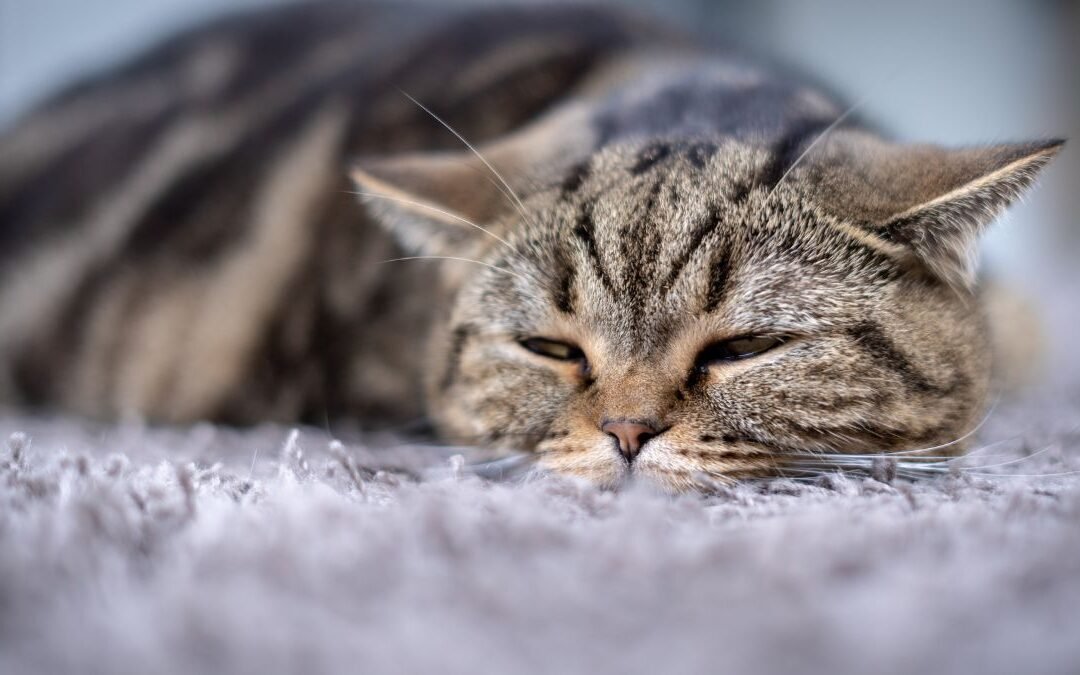
There is a particular sound that every long-time cat owner recognizes instantly. Your cat freezes for a moment, crouches low to the floor, extends their neck, and begins making harsh, rhythmic gagging noises. A few seconds later, a damp, tube-shaped clump of fur lands on the carpet or tile. The whole scene looks intense and, frankly, a little dramatic. It’s very common for that moment to spark worry—many people go straight to thoughts of choking, stomach problems, or something wrong with the lungs. Yet for most healthy cats, occasional hairball vomiting is one of the most normal cat behaviors mistaken for illness.
Hairballs are not a diagnosis. They are the byproduct of something cats do exceptionally well: grooming. Every day, your cat swallows small amounts of fur as they clean themselves, and most of that fur quietly travels through the digestive tract without causing trouble. Once in a while, though, the body decides that a clump of hair is better sent back up than pushed further along. If you’ve ever asked yourself, “Is my cat sick or normal when they cough up a hairball?” you’re far from alone. Understanding what’s really happening can make those noisy episodes much less frightening.
This expanded guide looks closely at how hairballs form, why the process looks so dramatic, the cat health myths that make hairballs seem more dangerous than they usually are, and how you can support your cat’s digestion and grooming habits. By learning what falls within the range of normal—and which patterns deserve more attention—you’ll be better equipped to respond calmly when your cat has their next hairball event on your favorite rug.
Why Cats Get Hairballs in the First Place
To understand hairballs, it helps to start with a basic look at feline self-care. Cats are famously clean animals. They spend a significant portion of their waking hours grooming: licking their fur, washing their paws, and smoothing down every section of their coat. The main tool they use for all this work is their tongue, which is covered in tiny, backward-facing barbs called papillae. These barbs give the tongue its sandpaper-like texture and act like a built-in comb that catches loose fur, dust, and small debris.
This grooming routine has clear benefits. It removes dirt, helps prevent matting, distributes natural oils along the hair shafts, and even has a calming effect. Many cats groom more when they feel relaxed, safe, or sleepy. But the same tongue that keeps them so clean also creates one unavoidable side effect: anything the barbs catch is swallowed. Cats can’t spit hair out neatly the way you or I might remove a stray thread from our clothes. The hair goes straight down.
Most of that swallowed fur passes through like indigestible fiber. It moves along the digestive tract, mixes with other waste, and eventually appears in the litter box without anyone ever noticing. Sometimes, however, strands of fur collect in the stomach instead of moving easily through the intestines. As more hairs gather, they can tangle together and form a small, dense mass—what we call a hairball.
The term “hairball” sounds dramatic, but it describes a simple physical process. It isn’t a sign that your cat is broken or that their body is failing. In a sense, hairballs remind us how thorough cats are at cleaning themselves. They are the natural downside of doing something very right: staying clean and well-groomed.
Why the Process Looks So Dramatic
The part that alarms most owners isn’t the hairball itself; it’s the dramatic build-up. Your cat may hunch their shoulders, stretch the neck forward, and make repeated gagging or coughing noises. The sound can be harsh. The body tenses with each motion. Then, after several contractions, the hairball appears on the floor, often accompanied by a small amount of fluid.
What you are seeing is the body’s way of ejecting something it cannot digest easily. The stomach and throat work together, using coordinated muscular contractions to push the hair mass upward instead of letting it move further down. This is a deliberate, controlled process, not a random crisis.
In a typical hairball episode, the whole event is brief. You might hear a few rounds of gagging, see the hairball expelled, and then watch your cat walk away, groom calmly, or even head to the food bowl. Their recovery is usually quick. They don’t seem confused or distressed afterward. That fast return to normal behaviour is one of the clearest signs that what you witnessed was a normal hairball, not serious vomiting from illness.
Normal Hairball Vomiting vs. Illness-Related Vomiting
Learning to distinguish a standard hairball from problem vomiting can go a long way toward answering that question, “Is my cat sick or normal?” In most cases, the differences are quite clear once you know what to watch for.
- Normal hairball expulsion: Occurs infrequently (often once every few weeks or even months), produces a clump that is mostly fur, and is followed by a quick return to normal eating, playing, and interaction.
- Illness-related vomiting: May happen repeatedly in a short period, involve food, bile, or foam, and is frequently accompanied by appetite changes or shifts in behavior such as hiding or lethargy.
If your cat has a single hairball episode and then goes back to purring, stretching, and asking for dinner, that behaviour pattern is reassuring. Multiple episodes in one day, or vomiting that doesn’t seem to resolve, is a different situation and deserves closer attention.
Myths That Make Hairballs Seem Like Illness
Because hairball episodes are loud and messy, they are easy to misinterpret. Over time, a set of persistent myths has grown around them, many of which make owners feel far more alarmed than they need to be. Clearing away those myths helps you respond with perspective instead of panic.
Myth 1: “Any gagging means the cat is choking or seriously ill.”
Gagging sounds trigger a strong emotional response—we instinctively link them with choking. But not all gagging is the same. During a typical hairball event, a cat can still breathe and move. The sounds are rhythmic, and the body motions are purposeful. Many cats even pause between contractions, glance around, and then resume the effort.
A choking cat, in contrast, often cannot make much sound. They may paw at the mouth, appear frantic, or struggle to draw breath. The difference in body language is striking once you’ve seen both. Most hairball episodes do not fit the choking pattern at all; they are the body’s controlled attempt to remove a non-digestible mass.
Myth 2: “Vomiting is never normal and always indicates disease.”
Persistent or frequent vomiting is absolutely a sign that something might be wrong. But that truth has sometimes been stretched into a blanket statement that “vomiting is never normal.” For cats, that simply isn’t accurate. Occasional hairball vomiting is one of those normal cat behaviors mistaken for illness. A healthy cat may cough up a hairball once in a while and remain perfectly well the rest of the time.
Frequency and context matter more than the isolated event. A single hairball from an otherwise bright, playful cat who eats well and uses the litter box normally is very different from repeated vomiting combined with weight loss or clear discomfort.
Myth 3: “Indoor cats shouldn’t get hairballs.”
It can be tempting to assume that hairballs come from outdoor dirt or unusual debris. In reality, indoor cats may be just as likely—and sometimes more likely—to produce hairballs. Indoor life often means fewer dangers and more downtime. A cat who feels safe and relaxed may groom more intensely, simply because they have the time and comfort to do so.
Soft indoor fur still sheds. Climate control can dry the air, affecting how much hair breaks loose. All of that loose hair ends up on the tongue sooner or later. Being an indoor cat doesn’t shield a pet from hairballs; in some homes, it slightly increases the odds.
Myth 4: “Long-haired cats get hairballs because they’re unhealthy.”
Long-haired breeds—Persians, Ragdolls, Maine Coons, Himalayans, and others—often experience hairballs more frequently simply because they carry more fur on their bodies. The greater the volume of coat, the more hair becomes loose during grooming. That doesn’t make these cats frail or unwell; it just means their grooming routine generates more material for the digestive system to manage.
Many long-haired cats are robust and energetic yet still bring up periodic hairballs. Coat type explains the pattern far more than overall health status.
How to Tell Normal Hairballs From Potential Health Issues
While hairballs themselves are usually harmless, they can sometimes overlap with other issues. The key is to step back and look at the big picture: how often episodes occur, what the material looks like, and how your cat behaves before and after. That wider perspective helps you decide whether you’re seeing a normal grooming byproduct or something that may need more investigation.
Normal Hairball Indicators
- Infrequent episodes: A hairball every few weeks or months is common, especially in heavy groomers or long-haired cats.
- Stable behavior: Your cat’s appetite, playfulness, and social interaction stay the same before and after the episode.
- Hair-focused contents: The expelled material is mainly or entirely fur, often tubular or tightly clumped.
- Quick recovery: Within minutes, your cat looks comfortable again and resumes normal activities.
When you see this pattern, hairballs are functioning like a safety valve. The body has decided, “This hair doesn’t belong here anymore,” and removed it efficiently.
Possible Signals of Concern
Some patterns don’t fit the normal hairball profile quite as well. While they don’t automatically mean something serious is happening, they are worth noting and, if they continue, worth discussing with a professional.
- Frequent attempts to gag or vomit: Daily or near-daily episodes, especially when nothing comes out, are not typical.
- Vomiting food, bile, or clear liquid: When the episode involves more than hair, such as undigested food or yellowish fluid, the cause may extend beyond simple hairball expulsion.
- Changes in behavior: A cat who becomes withdrawn, hides more, or seems unusually quiet after vomiting may be experiencing discomfort.
- Appetite decline: Eating much less, refusing meals, or avoiding water should never be ignored.
- Digestive irregularities: Constipation, diarrhea, or a swollen abdomen combined with vomiting calls for further guidance.
These patterns are less common than straightforward hairball events, but paying attention to them helps you act early when something feels off. Most of the time, though, cat owners are witnessing rare, contained episodes that fit neatly into the category of normal grooming side effects.
Why Some Cats Get More Hairballs Than Others
It’s natural to compare your experiences with those of friends, family, or online communities. You might hear that another cat rarely, if ever, produces hairballs and wonder why your pet seems more prone to them. The answer usually lies in a combination of coat type, grooming habits, environment, and age—not in a simple “healthy vs. unhealthy” label.
1. Breed and Coat Type
Cats with long, thick, or double-layered coats naturally shed more hair. As that hair is loosened during daily grooming, more strands end up swallowed. Some short-haired cats, especially those with dense undercoats, can shed heavily during certain seasons as well. None of this means something is wrong; it simply increases the amount of fur the digestive system has to process.
2. Grooming Style and Frequency
Cats also differ in how they groom. Some are laid-back groomers, content with a few quick sessions. Others are meticulous, going over each section of the body multiple times a day. A meticulous groomer may swallow significantly more hair, especially if grooming is also a way they manage stress or boredom. The more time a cat spends licking their coat, the higher the chance that hairballs will form.
3. Seasonal Shedding Patterns
Many cats experience seasonal shedding, especially during spring and fall transitions. As their coat adjusts to temperature changes, more hair becomes loose at once. During these periods, even cats who usually have no issues may suddenly produce one or two hairballs. Once the heavy shedding phase passes, hairball frequency often drops again. It’s a pattern that can repeat each year and cause concern only if other symptoms appear.
4. Age and Digestive Efficiency
As cats grow older, digestion and intestinal movement can slow slightly. A senior cat might not pass hair through the intestines quite as quickly as a younger adult. That doesn’t automatically signal disease, but it may mean hair has more time to accumulate in the stomach before being expelled. Older cats may also spend more time resting and grooming, which raises the total amount of hair they ingest. For you and me as owners, it just means we need to watch them a little more closely and adjust care as they age.
How to Reduce Hairballs Naturally
Most owners don’t expect to eliminate hairballs completely—living with cats means accepting a few messes along the way—but it’s perfectly reasonable to want fewer of them. The aim is to make your cat more comfortable and reduce the number of times their body has to resort to that noisy, dramatic expulsion process.
1. Regular Brushing and Coat Care
Brushing is one of the most effective and practical tools you have. Each time you brush, you remove loose fur before your cat can swallow it. Long-haired cats often benefit from daily brushing; short-haired cats may do well with a few sessions a week, especially during peak shedding seasons.
Over time, gentle brushing can become a routine your cat looks forward to—though some cats take a bit of convincing at first. Starting with short sessions, using a soft brush, and rewarding them with treats or praise helps build positive associations. Brushing doesn’t just reduce hairballs; it also strengthens your bond and gives you a chance to notice any skin changes or tangles early.
2. Supporting Hydration
Hydration quietly supports nearly every system in the body, including digestion. Well-hydrated cats often pass hair more efficiently through the intestines, which may reduce how often it clumps in the stomach. Many cats are naturally picky drinkers, though, so a little creativity can help.
- Offer a pet water fountain if your cat prefers flowing water.
- Include wet food in the diet to increase overall moisture intake.
- Add a splash of water or pet-safe broth to meals, if your cat accepts the change.
None of these steps are complicated, but they add up. Over weeks and months, better hydration can support smoother digestion and a more comfortable, predictable bathroom routine. Some owners even notice their cats seem more relaxed when hydration improves.
3. Fiber and Digestive Support
Fiber plays an important role in helping material—hair included—move through the intestines. Some commercial “hairball control” diets contain added fiber specifically for this reason. There are also treats and supplements designed to support the natural elimination of ingested hair.
Not every cat needs a special formula, and any diet change should be gradual to avoid stomach upsets. However, if your cat tends to experience hairballs more frequently, asking a professional about fiber options can be a useful step. Used thoughtfully, these diets and supplements can make hairballs less common without forcing drastic changes on your cat’s daily meals.
4. Calm, Low-Stress Environment
Stress can increase grooming behaviours for some cats. When anxious, they may lick certain areas repeatedly as a self-soothing habit. Over time, this can lead to extra swallowed hair. Providing predictable routines, quiet resting areas, and safe hiding spots can lower that stress load. Interactive toys, puzzle feeders, and regular play sessions also give your cat something constructive to focus on.
A more content cat often grooms in a balanced way, rather than obsessively. That shift alone can gently reduce the likelihood of recurring hairballs, even if you still see one occasionally.
When to Talk to a Professional About Hairballs
It’s completely reasonable to look for reassurance when your cat vomits, even if you suspect it’s “just a hairball.” If you notice changes in how often episodes occur, in your cat’s appetite, in energy levels, or in litter box habits, that’s a good moment to seek guidance. You don’t need to wait until things feel severe.
Reaching out for professional advice doesn’t mean you’re overreacting; it means you’re paying attention. A conversation with an expert can help you sort normal grooming-related hairball behavior from signs that something else might be going on.. You can recieve tailored suggestions for grooming routines, diet tweaks, and monitoring strategies that match your cat’s age, coat type, and lifestyle.
Take a Proactive Approach to Your Cat’s Digestive Health
Knowing that occasional hairball vomiting is normal often brings immediate relief. Yet knowledge alone isn’t the whole story of good care. Daily habits—brushing, hydrating, offering enrichment—play a quiet but powerful role in keeping your cat comfortable. Over time, those small choices shape your cat’s overall digestive health and help you feel more confident about what you’re seeing.
Feline health is best understood as a pattern over months and years rather than a reaction to one messy moment on the living room floor. When you recognize how grooming, digestion, and behavior connect, you’re better prepared to answer that recurring question: “Is my cat sick or normal?” For hairballs, the answer is very often comforting: your cat is behaving exactly like a cat.
Support Your Cat’s Health With the Right Tools and Guidance
Hairballs may be a regular feature of life with cats, but you still have plenty of control over how you plan for their wider health needs. From everyday grooming to serious medical surprises, having information, tools, and financial protection in place can make you feel less alone with the responsibility on your shoulders.
- Use the Pet Insurance Calculator to estimate coverage that fits your cat’s age, health history, and lifestyle.
- Talk with a knowledgeable Pet Insurance Agent if you’d like help comparing options or understanding policy details.
- Request a customized pet insurance quotation through the Get a Quote page so you can see how coverage might align with your budget and expectations.
- Don’t just rely on insurance—prevention really is better than cure. If you have concerns about vomiting, grooming, or digestion, you can consult an online vet for preventive guidance via the Online Vet portal.
- Visit the Pet Care page to explore wellness products that may support grooming, digestive comfort, and overall quality of life.
- Browse the detailed Cat Insurance FAQ page for answers to common questions about coverage, claims, and everyday health concerns.
Living with a cat means accepting a little fur on your clothes, a clump of hair on the floor now and then, and a creature whose grooming habits sometimes look intense but make perfect sense once you understand them. When you combine that understanding with practical tools and thoughtful planning, you’re not just reacting to hairballs—you’re quietly building a safer, more comfortable life for the animal who trusts you every day.
