
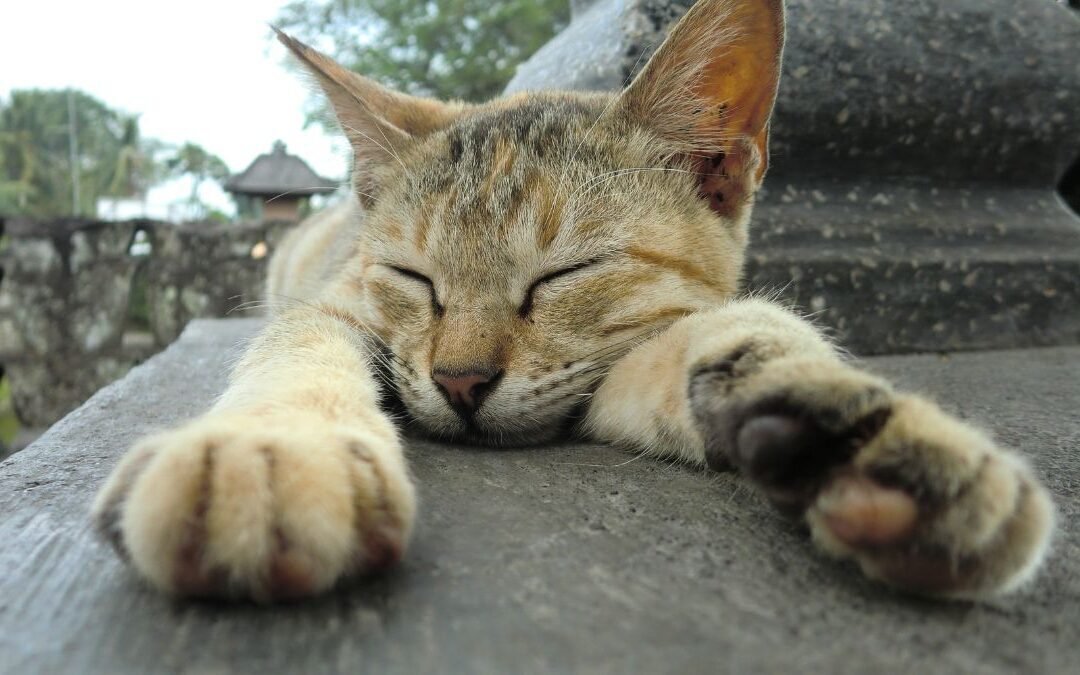
There’s something endlessly soothing about watching a cat sleep. They curl into a tight ball, sprawl across the couch like they own the place, or tuck their nose neatly under a paw as if they’ve closed the door to the world. Then, just when everything looks still, a paw suddenly kicks, whiskers tremble, their tail jerks, or their whole body gives a quick shiver. That peaceful moment turns into a jolt of anxiety, and the thought arrives almost automatically: “Is my cat sick or normal when they twitch like that in their sleep?”
You’re not the only one who’s worried about it. Sleep twitching is one of the most common normal cat behaviors mistaken for illness. To human eyes, those tiny spasms can look suspiciously like pain, seizures, or some kind of neurological problem. But for most healthy cats, twitching during sleep is tied to dreaming, nervous system development, and shifts between sleep stages—not disease.
This detailed guide looks at what’s really happening when your cat twitches in their sleep, how feline sleep cycles work, which movements are normal, and when it might be time to pay closer attention. Understanding the patterns behind this behavior can help you protect your cat’s health without living in a constant state of worry.
What Your Cat’s Sleep Twitching Actually Means
Cats, like humans, cycle through different stages of sleep. One of the most important stages is REM sleep—short for Rapid Eye Movement. During REM, the brain lights up with activity, processing memories, emotions, and everything your cat has seen, chased, climbed, and investigated throughout the day. This is the stage where most dreaming happens.
During REM, the body is generally relaxed, but certain muscle groups remain responsive to signals from the brain. Those signals can “leak through” as small physical reactions. That’s why you see your cat’s whiskers quiver, paws flex, or tail flick even though they’re clearly asleep. These movements are physical echoes of whatever their brain is “doing” in the dream.
Typical Sleep Movements That Are Considered Normal
Many of the movements that worry owners are actually classic signs of a healthy dream state. Normal dream-related twitching can include:
- Whisker twitching: Vibrating or flicking whiskers often suggest the brain is replaying sensory experiences—like stalking, sniffing, or brushing past objects.
- Paw flexing or soft “running” motions: Toes may curl, paws may paddle at the air, or legs may make tiny running-like movements as if your cat is chasing something in their dream.
- Ear flicks: Ears may rotate, flick back and forth, or tilt in response to imagine d sounds in the dream world.
- Tail movements: The tip of the tail might twitch, swish, or jerk slightly while the rest of the body stays limp.
- Rapid eye movement: Under closed eyelids, you may see the eyes dart side to side—this is the “rapid” in REM.
- Soft sounds: Quiet chirps, muted meows, or tiny squeaks can appear without fully waking your cat.
- Light body jerks: Short, occasional shivers or single full-body twitches, especially when changing sleep depth.
These actions can look dramatic if you’re not used to them, but in a relaxed cat they’re usually a sign that the brain is doing normal, healthy work during sleep—not that something is wrong.
Why Cats Twitch in Their Sleep: Normal Reasons Explained
To answer “Is my cat sick or normal?” it helps to step back and ask why the twitching happens. In the vast majority of cases, there are simple, natural explanations.
1. Dreaming About Hunting, Playing, and Exploring
Even the most pampered indoor cat still carries the instincts of a hunter. During the day, they stalk toys, track birds through the window, pounce on dust motes, and weave through furniture like they’re navigating a jungle. At night, their brain can replay those experiences as dreams.
When a sleeping cat kicks, paddles, or “runs” in place, they may be dream-chasing something—imaginary prey, a favorite toy, or even another pet in the home. The movements you see are small, incomplete versions of what they’d do if they were awake and on the hunt. Rather than being a sign of illness, this behavior suggests their brain is engaged, responsive, and processing their day.
2. Sorting Through Sensory Memories
Cats live through their senses in a way humans rarely do. Every whisker touch, every scent, every faint sound is logged by the brain. When they sleep, especially in REM, the brain organizes that sensory data.
Whisker tremors, ear flicks, and subtle head movements often match this “sorting” process. A whisker twitch might reflect the memory of squeezing through a narrow space. An ear flick might link to the echo of a sound that caught their attention earlier. It’s a form of mental filing—tidying up after a long day of feline curiosity.
3. Nervous System Development in Kittens
Kittens tend to twitch far more than adult cats, and those movements can look intense compared to their small size. It’s easy to fear the worst when a tiny body seems to be in constant motion. But in young cats, sleep twitching often plays an important role in development.
As a kitten grows, their nervous system and muscles are learning to coordinate. Sleep is a safe time for the brain and body to “practice” working together. Those rapid little kicks, tail flicks, and shivers help strengthen neural pathways and refine motor control. It’s very similar to the way human babies move in their sleep as their bodies and brains mature.
For kittens that are otherwise eating well., playing, and gaining weight, frequent twitching is usually a healthy sign of growth—not a warning that something is wrong.
4. Muscle Relaxation and Sleep-Stage “Jerks”
As cats fall into deeper sleep, their muscles relax. Sometimes, that shift from lighter to deeper stages causes a brief, involuntary contraction. People experience this as “hypnic jerks”—that sudden lurch or jolt right as you’re falling asleep.
Cats can have the same thing. A leg may kick once, the body may jerk, or the shoulders might twitch quickly as muscles let go of tension. These movements often show up just as your cat is drifting into or out of deeper sleep stages. Because they’re tied to sleep transitions rather than ongoing brain dysfunction, they’re generally harmless.
How Sleep Twitching Gets Confused With Illness
It’s understandable that sleep twitching triggers concern. Many owners have heard about seizures or brain disorders and are understandably fearful of missing early signs of something serious. This concern is rooted in love, but it can also be amplified by half-true stories, dramatic videos, and persistent cat health myths.
Myth 1: “If my cat twitches, it must be a seizure.”
Seizures are serious, but they look very different from typical sleep twitching. A seizure usually involves:
- Strong, uncontrolled, full-body movements that don’t look like gentle dream kicks.
- Stiff, rigid muscles rather than a soft, loose sleeping posture.
- Unresponsiveness—you may call or touch them and get no reaction during the event.
- Possible drooling, paddling, or loss of bladder or bowel control.
- Disorientation or unusual behavior after the episode ends—confusion, stumbling, or not recognizing familiar people or places.
Normal sleep twitching, by contrast, is usually mild, intermittent, and stops quickly if your cat wakes up. If you gently say their name and they open their eyes, stretch, and act like their usual self, that fast, clean return to normal is a strong sign that you’re seeing a healthy sleep pattern, not a seizure.
Myth 2: “A sleeping cat should be completely still.”
Many people equate “rest” with total stillness, but that’s not how healthy sleep works—for cats or humans. Even in deep sleep, bodies adjust their position, stretch, twitch, and change breathing patterns.
Expecting your cat to sleep like a statue sets you up to be worried by completely normal behavior. In fact, a cat that never twitches, stretches, or vocalizes in sleep may not be reaching full, restorative sleep cycles. Movement is often a sign that they feel safe enough to fully relax.
Myth 3: “Dreams mean the brain isn’t working right.”
Dreaming doesn’t signal damage—it signals activity. The brain is reviewing experiences, storing memories, and reinforcing learning. A lack of dream behavior doesn’t mean the brain is healthier; it may suggest your cat is only skimming the surface of sleep.
So when you wonder, “Is my cat sick or normal if they move while sleeping?” the answer, in most situations, is that this is simply how a normal, functioning brain behaves during sleep.
Normal Twitching vs. Signs That Need a Closer Look
Even though most twitching is normal, it’s reasonable to want clear guidelines on when to relax and when to seek advice. The key is to look at the entire picture—not just the movement itself, but what your cat looks like before, during, and after sleep.
Signs That Sleep Twitching Is Likely Normal
Your cat’s twitching probably belongs in the category of normal cat behaviors mistaken for illness if you notice that:
- The twitching stops when they wake up. As soon as your cat opens their eyes, lifts their head, or stretches, the movements disappear.
- Their body looks relaxed. Muscles are loose, not locked. You see movement in paws, whiskers, ears, or tail, but nothing looks rigid or violent.
- Breathing remains steady. There’s no open-mouthed panting, gasping, or lengthy pauses in breathing.
- They act normal afterward. Once awake, your cat walks normally, responds to you, grooms, eats, and uses the litter box just as they always do.
- There are no new behavior changes. You don’t see sudden aggression, confusion, stumbling, or weakness.
When all of this matches what you’re seeing, it becomes much easier to answer “Is my cat sick or normal?” with a calm, “They seem perfectly normal—just busy in their dreams.”
Warning Signs That Shouldn’t Be Ignored
Some patterns around twitching deserve closer attention. While they’re less common, they’re important to recognize:
- Violent, uncontrolled movements: Strong, repeated convulsions that don’t look like small dream twitches.
- Rigid posture: The body appears stiff or locked, rather than limp and relaxed.
- Foaming or heavy drooling: Especially when it appears suddenly during an episode.
- Loss of bladder or bowel control: Wet spots or stool associated with the event.
- Obvious confusion afterward: Your cat seems “lost,” bumps into objects, or doesn’t react normally for a while after waking.
- Twitching while fully awake: Persistent tremors or jerky movements when your cat is clearly alert and up.
These signs don’t automatically mean something severe is happening, but they do move the situation out of the “probably just dreaming” category and into “this deserves professional guidance.” That careful, proactive response helps you protect your cat without assuming every small twitch is an emergency.
How Environment and Lifestyle Shape Sleep Twitching
Even when twitching is normal, you may see more or less of it depending on how your cat lives, where they sleep, and how safe they feel.
1. Comfort and Security
Cats need to feel safe to sleep deeply. A warm blanket, quiet corner, or favorite spot on the bed gives them permission to let their guard down. When they feel truly secure, they drop into deeper sleep stages more often—and that’s when you’re most likely to see dreaming-related twitching.
2. Daytime Activity and Enrichment
Cats that have an interesting day usually have a better night. Play sessions, exploring different rooms, watching birds out the window, and interacting with people all give the brain more to process later. The more your cat experiences, the more likely their sleeping brain is to be busy—sometimes visible in whisker flicks and paddling paws.
3. Age and Life Stage
Kittens, adults, and seniors all twitch, but the style and frequency can shift with age. Kittens often move the most as their nervous system develops. Adult cats may show more targeted dream movements—like small hunting kicks. Seniors might twitch more gently as their sleep patterns change, but the basic behavior remains normal across all ages.
4. Stress and Routine
A relaxed cat with a predictable routine is more likely to sink into deep, restorative sleep. Cats living with constant stress or noise may only doze lightly, twitching less simply because they don’t reach the deepest stages as often. Ironically, more visible twitching after making the home calmer can be a sign that your cat finally feels safe enough to sleep properly.
How to Respond When Your Cat Twitches in Their Sleep
Knowing what to do in the moment can help you protect both your cat’s rest and your own peace of mind.
Helpful Things You Can Do
- Watch quietly for a moment. Check their breathing, posture, and overall relaxation instead of reacting instantly.
- Let them continue sleeping if they look comfortable. Deep sleep is crucial crucial for healing, immune function, and emotional balance.
- Offer cozy, secure sleeping spots. Soft beds in quiet locations, cat trees with hideaways, and familiar blankets all support better sleep.
- Keep a steady routine. Regular feeding times, play windows, and calm evening periods help your cat predict what’s coming and relax more easily.
Things to Avoid
- Don’t shake or grab your cat awake. Sudden physical contact can startle them and turn a harmless dream into a stressful moment.
- Don’t shout or clap to wake them. Loud noises can increase anxiety and make them wary of sleeping near you.
- Don’t assume the worst right away. Look at how they act when they wake and how they behave the rest of the day before deciding something is wrong.
If you’re feeling truly unsure, you can gently say your cat’s name or lightly tap the surface near them (not their body) to see if they rouse. A cat who wakes, blinks, stretches, maybe yawns, and then carries on as usual is almost always fine.
A Calmer Way to Look at “Strange” Sleep Behavior
Sleep twitching can be startling, especially the first few times you really notice it. But when you deliberately step back and ask a few grounding questions, the picture often becomes clearer:
- Are they eating, drinking, and using the litter box normally?
- Do they still play, explore, and interact with you like they usually do?
- Does the twitching stop once they wake up, or does something continue while they’re fully alert?
If everything else about your cat looks stable and healthy, sleep twitching fits neatly into the category of normal cat behaviors mistaken for illness. Understanding this doesn’t mean ignoring your instincts—it means combining your instincts with context, patterns, and a more complete picture of your cat’s daily life.
Sleep Twitching Is Usually a Sign of Deep, Restful Sleep
For most cats, those tiny kicks, flicks, and tremors you see during sleep are not signs of disease. They’re signs of deep relaxation, active dreaming, and a brain that feels safe enough to let down its guard. A cat who twitches in their sleep, then wakes up bright-eyed, responsive, and ready to eat or play is almost always normal.
When you understand what’s happening, that sight becomes less alarming and more reassuring. Instead of watching every twitch with fear, you can see it as proof that your cat is resting properly, processing their experiences, and recharging for another day at your side.
Support Your Cat’s Sleep and Health With Preventive Care
Even when behaviors are normal, proactive care is one of the best gifts you can give your cat. Good sleep, smart planning, and financial protection all work together to keep your cat safe and comfortable—through ordinary dream-twitches and through any unexpected health issues that might come later.
- Use the Pet Insurance Calculator to estimate the level of coverage that best matches your cat’s lifestyle and risk factors.
- Get one-on-one guidance from a licensed Pet Insurance Agent if you’d like help comparing benefits, exclusions, and pricing.
- Request a customized pet insurance quotation through the Get a Quote page so you can review options that fit your budget and priorities.
- Remember that coverage is only part of the picture—prevention really is better than cure. For questions about behavior, sleep changes, or general wellness, you can consult an online vet through the Online Vet portal.
- Explore carefully selected wellness and comfort products—beds, calming aids, enrichment tools—on the Pet Care page to make restful sleep even easier for your cat.
- Learn more about other normal cat behaviors mistaken for illness, and get clear answers about coverage, claims, and e veryday health questions in the comprehensive Cat Insurance FAQ section.
With the right mix of understanding, planning, and preventive care, you can look at those twitchy, dream-filled naps not as warning signs, but as everyday proof that your cat feels safe, loved, and comfortable in the home you share.
