
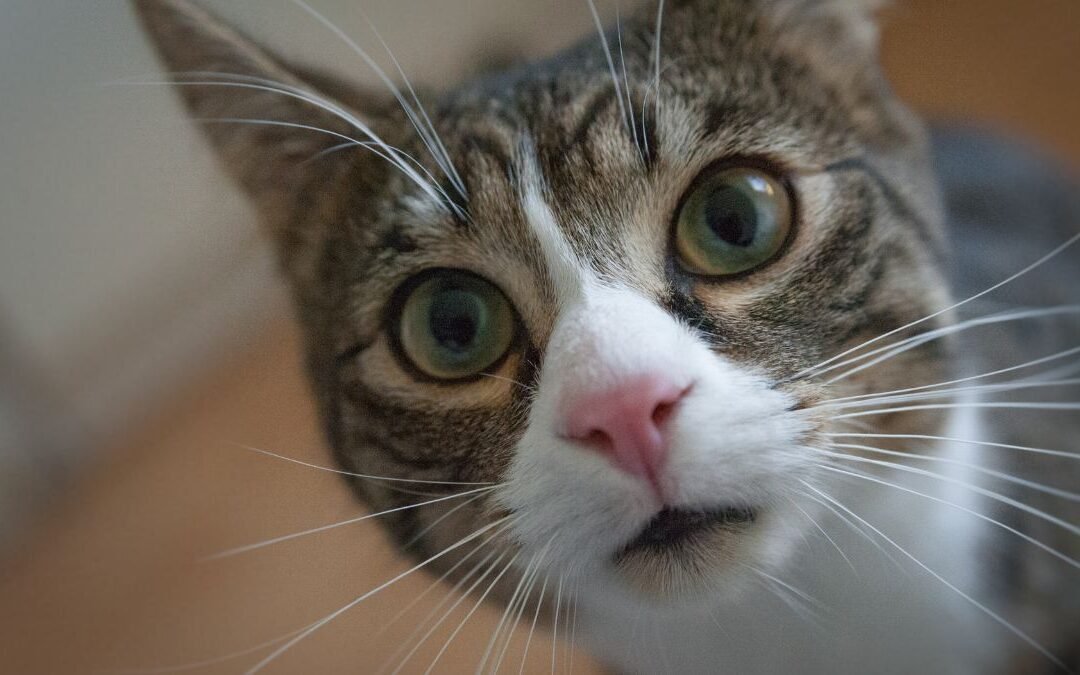
You’re sitting at home, the house is quiet, and then you hear it—that sharp, rapid clicking sound from the window. Your cat is frozen in place on the sill, eyes wide, body leaning forward, jaw chattering at a bird outside like a tiny machine. For a second your stomach drops. Are their teeth hurting? Is their jaw locking up? Could this even be some kind of seizure?
That moment of panic is extremely common among cat parents. Chattering looks odd and sounds even stranger, especially the first time you notice it. But in most cases, this behavior has nothing to do with pain or illness. Cat chattering is one of the most normal cat behaviors mistaken for illness. What you’re seeing is your cat’s inner hunter coming to the surface—raw instinct, focus, and emotion all rolled into one quirky sound.
If you’ve ever caught yourself wondering, “Is my cat sick or normal when they chatter at birds?” you’re asking a fair question. This guide takes a closer look at what chattering actually is, why it happens, which cat health myths make it seem scary, and how to tell when it’s just instinct versus the rare times it may need more attention. Along the way, you’ll also learn a few simple ways to support your cat’s mental and physical well-being in a safe, enriching way.
What Is Cat Chattering, Exactly?
Cat chattering is a distinct behavior that usually appears when your cat sees something that looks like prey—most often birds, squirrels, or insects. It’s part sound, part body language, and once you’ve seen it a couple of times, it’s almost impossible to mistake for anything else.
Typical chattering includes a combination of:
- Rapid jaw movements that look like tiny, repeated snaps or vibrations.
- Clicking, chattering, or chirping sounds that are very different from everyday meows or purrs.
- Laser-focused staring at a bird, squirrel, bug, or fast-moving toy.
- Forward-leaning, low posture, with muscles slightly tense and ready to move.
- Twitching whiskers and tail, clear signs that your cat is stimulated and fully “locked on.”
Many owners say it looks as if their cat’s whole body has become a targeting system. The eyes track every movement, the body leans toward the glass, and the mouth chatters as if it’s acting on its own. Typically, the behavior stops abruptly when the bird flies off or the exciting target disappears. That pattern—only happening when “prey” is present—is a big clue that chattering is instinctive and normal, not random or medically driven.
Chattering as a Window Into Your Cat’s Hunting Instinct
Even if your cat spends their days sleeping on pillows and their nights eating carefully measured kibble, their brain is still built like that of a small wild predator. Watching birds from the window isn’t idle entertainment for them. It’s a hunting opportunity they’re mentally taking very seriously.
In nature, a cat’s hunt often follows a familiar sequence: spot prey, stalk, pause and calculate, then pounce. Chattering tends to pop up in that “pause and calculate” moment—especially when something blocks the cat from actually chasing, like a closed window or a screen.
At that point, your cat’s body and brain are flooded with instinctive signals:
- Muscles are primed to move.
- The brain is tracking distance, speed, and angles.
- Adrenaline and excitement are building.
Chattering is one way for all that built-up energy to escape. Rather than being a sign of illness, it’s more like a pressure valve—an outlet for a hunting drive that doesn’t have anywhere else to go in that moment.
Why Do Cats Chatter? Leading Theories Behind the Behavior
Because cats can’t explain themselves, we’re left piecing together clues from observation, research, and comparison with wild felines. No one can say with absolute certainty what’s going through your cat’s mind when they chatter, but several well-supported theories fit what we see.
1. Practicing or Echoing the “Killing Bite”
When a cat successfully catches prey, they often deliver a rapid, precise bite to the neck or spine. That bite may come with fast jaw movements that look very similar to chattering. Some behaviorists suggest that the jaw action you see at the window is a kind of rehearsal—your cat’s brain is activating the same reflex, even though the hunt can’t actually happen.
In this theory, chattering is the brain sliding into the “finish the hunt” part of the sequence. The bird on the other side of the glass never feels it, of course, but your cat’s nervous system doesn’t know the difference between a real hunt and a blocked one.
2. A Blend of Frustration and Excitement
Think about the last time you saw something you really wanted but couldn’t reach—a dessert behind glass, a sale that sold out, or a vacation you couldn’t afford yet. Most people let out a sigh, mutter under their breath, or make a little noise of frustration. Cats do their own version of that.
Chattering can be a physical expression of mixed emotion: high excitement from spotting prey, frustration because a window or distance prevents the chase, and intense focus all at once. It’s as if your cat is saying, “I see it, I want it, but I can’t get to it,” and their jaw and voice are the ones doing the talking.
3. Anticipation and Mental Rehearsal
Another theory is that chattering is a form of mental rehearsal. While watching prey, your cat may be running through the steps of the hunt in their mind—stalking, jumping, grabbing, biting. The jaw and vocal muscles may respond automatically to those imagined actions, the way a person moves their lips silently when reading or thinking about what they’re going to say.
This idea fits nicely with how focused cats are when they chatter. Their gaze rarely leaves the target, their body is poised, and you can almost feel them running scenarios in their head: “If the bird moves left, I go here. If it drops to the ground, I go there.” The jaw action is just one more piece of that rehearsal.
4. Possible Sound Mimicry (Less Common, But Intriguing)
Some observers have noticed that certain chattering sounds can resemble little bird chirps. In some wild cat species, there’s evidence of limited vocal mimicry—adjusting sounds to blend in with or confuse prey. While your house cat isn’t consciously thinking, “I’ll sound like a bird,” their instincts may draw from similar neurological roots.
This isn’t the dominant explanation, but it adds another layer to why chattering is better understood as a sophisticated hunting behavior instead of something medical or “broken.”
Cat Health Myths: Why Chattering Gets Mistaken for Illness
Because chattering involves rapid jaw movement and unusual sounds, it’s easy to link it with dental problems or even neurological issues. Those worries tend to spread quickly online, which is how certain cat health myths get cemented in people’s minds.
Myth 1: “Chattering Means My Cat Has Tooth or Jaw Pain”
Dental pain in cats is serious, but it usually shows up in very different ways. A cat with sore teeth or inflamed gums may:
- Drop food from their mouth or chew very slowly.
- Paw at the mouth or rub their face on furniture.
- Chew on one side only or refuse crunchy food.
- Develop strong bad breath or drooling.
- Act irritable when touched around the face.
Chattering tends to happen when your cat isn’t eating at all—they’re just watching prey. The motion is rhythmic and controlled, not random or linked to chewing. It stops when the bird leaves or the excitement fades. The fact that it appears in a very specific situation—and not, for example, every time they eat—is a major hint that you’re seeing instinct, not pain.
Myth 2: “Those Jaw Movements Must Be Seizures”
Seizures are frightening to witness, and it’s understandable that any unusual movement makes you think of them. But seizures usually involve much more than quick jaw action. They often include:
- Full-body convulsions or very strong, uncontrolled movements.
- Rigid or completely limp muscles.
- Unresponsiveness—your cat doesn’t react to voice or touch during the event.
- Possible drooling, paddling, or loss of bladder/bowel control.
- Disorientation or strange behavior after the episode ends.
A chattering cat, on the other hand, is fully alert . They’re tracking a moving target with laser focus, choosing where to look, shifting posture, and immediately returning to normal as soon as the stimulus disappears. There’s no confusion, collapse, or “recovery” period. That clean, instant reset is a strong sign that you’re not dealing with a seizure.
Myth 3: “Any Jaw Tremor Is a Neurological Problem”
True neurological tremors tend to show up in multiple settings. You might see shaking while your cat is resting calmly, eating, grooming, or interacting with you—not just at the window when a bird lands nearby.
Normal chattering is tightly linked to specific triggers, such as prey, fast-moving toys, or exciting sounds. Once the trigger is gone, the behavior stops. That context-specific pattern is one of the clearest reasons chattering belongs in the category of normal cat behaviors mistaken for illness, not in the list of default warning signs.
Is My Cat Sick or Normal? How to Read Chattering in Context
Instead of focusing on the noise alone, it helps to zoom out and look at the bigger picture. Context, frequency, and your cat’s overall behavior will tell you far more than a few seconds of jaw movement.
Signs Your Cat’s Chattering Is Completely Normal
You’re probably seeing healthy, instinctive behavior if:
- The chattering happens when your cat is watching birds, squirrels, insects, or fast-moving toys.
- Your cat looks alert and engaged—not dazed, not panicked.
- The jaw movement and sound stop once the prey or object goes out of sight.
- Your cat eats, drinks, grooms, and plays normally at other times.
- You don’t see any signs of mouth pain, drooling, or difficulty chewing.
In this scenario, the answer to “Is my cat sick or normal?” is almost always “normal.” You’re watching a predator processing a situation that feels serious to them, even if it’s just a bird on a branch outside your kitchen window.
Less Common Signs That Deserve a Second Look
Although most chattering is harmless, there are patterns that should prompt you to pay closer attention and consider getting advice:
- Jaw tremors or chattering happening randomly, without any prey, play, or stimulation.
- Drooling, pawing at the mouth, or clear reluctance to open the mouth wide.
- Difficulty chewing, dropping food, or sudden refusal to eat certain textures.
- Bad breath combined with changes in appetite or mood.
- Full-body twitching, collapse, or disorientation along with jaw movements.
These patterns are less about chattering and more about what else is happening at the same time. They can point toward dental disease, oral discomfort, or other health issues rather than a simple hunting response. The important part is that normal chattering doesn’t come with these extra warning signs.
Environmental Triggers: What Sets Off Chattering in Cats
Chattering rarely appears out of nowhere. OOnce you start paying attention, you’ll usually notice a clear trigger tied to your cat’s hunting instincts.
1. “Cat TV” at the Window
Windows that overlook trees, gardens, or bird feeders are prime spots for chattering episodes. Birds hopping along a branch, squirrels chasing each other on a fence, or even leaves dancing in the wind can switch your cat into predator mode.
For indoor cats, this is a powerful form of mental stimulation. Watching, tracking, and chattering at wildlife outside gives them a safe outlet for instincts they never really lost.
2. Bugs and Tiny Creatures Indoors
A moth near the ceiling, a fly looping around a lamp, or a small spider on the wall can produce the same intense reaction as a bird outside. Your cat may chatter when the bug is just far enough away or just high enough that they can’t reach it easily.
The posture is the same: fixed stare, twitching tail, rapid jaw movement. The prey is smaller, but the brain processes it in a similar way.
3. Playtime That Looks Like a Hunt
Interactive toys that mimic prey movement are another common trigger. Feather wands, mouse toys on strings, and toys that dart or flutter unpredictably can push your cat into full hunting focus. In the middle of a heated play session, some cats will pause, watch the toy intently, and suddenly chatter at it before pouncing.
When you see that happen, take it as a compliment—you’ve picked a toy and play style that really speaks to your cat’s instincts.
4. Sounds Without Sight
For some cats, sound alone is enough. Bird calls outside, rustling in bushes, the scurry of something in the attic, or even bird videos played on a screen can trigger chattering. Feline hearing is incredibly sensitive, and their brain doesn’t always need a visual to decide,, “That might be prey.”
How to Support Your Cat’s Hunting Instinct Safely
Because chattering is tied to a healthy hunting drive, your goal isn’t to stop it. Instead, it’s to give that instinct safe, satisfying outlets. When your cat has regular opportunities to “hunt” in a controlled way, they’re often calmer, more confident, and less frustrated in daily life.
Build Comfortable “Observation Posts”
A sturdy window perch, a cat tree next to a window, or a shelf they’re allowed to climb can turn bird-watching into a daily event. This kind of “cat TV” lets them track, stare, and sometimes chatter to their heart’s content while still being completely safe indoors.
Schedule Daily Prey-Like Play
Interactive playtime is one of the best things you can do for your cat’s mental health. Short, focused sessions are better than leaving toys out all day. Aim for at least one or two sessions where you move toys as prey would move:
- Swooping feather wands to mimic birds.
- Mouse-like toys that scoot and hide behind furniture.
- Ribbon or string toys (always supervised and put away afterward).
- Fluttering toys that bounce and jerk like insects.
Try to follow the natural rhythm: stalk, chase, catch, “kill,” and then a calm moment. That sequence lets your cat complete the full hunting pattern instead of staying stuck in the “I see it but can’t catch it” phase that leads to frustration.
Rotate Toys to Keep Things Interesting
Even the smartest toy gets boring if it’s always present. Rotating toys every few days can make your cat feel as if they’re constantly discovering new prey. Put a few away and bring them back later; you’ll often see that spark of excitement again when they reappear.
Use Food Puzzles and Slow Feeders
Food puzzles and slow feeders give your cat a chance to “work” for their meals in a safe, controlled way. Nudging, pawing, and problem-solving to get kibble out of a puzzle taps into the same brain circuits that make chattering so intense. It’s a way to let them practice being a hunter without any risk to wildlife—or to your furniture.
A Calmer Way to Think About Chattering
Once you know what’s really going on, chattering starts to feel less like a red flag and more like an interesting glimpse into your cat’s inner life. Instead of jumping straight to fear, you can pause and ask yourself:
- What are they looking at right now?
- Do they seem alert and curious, or confused and distressed?
- Do they go right back to normal behavior once the bird or bug disappears?
Most of the time, the answer will be reassuring. Their body language is confident, their interest fades when the stimulus is gone, and everything else about their day—eating, grooming, playing, using the litter box—looks completely normal. In those cases, chattering fits neatly into the list of normal cat behaviors mistaken for illness, not into a list of symptoms.
Support Your Cat’s Health With Smart Planning and Preventive Care
While chattering itself is usually nothing to worry about, it can serve as a reminder of how complex and instinctive cats really are—and how important it is to be prepared for anything their future might bring. Even perfectly healthy cats sometimes face sudden illnesses or accidents. Having a plan in place lets you focus on your cat’s needs instead of panicking about costs or what to do next.
- Use the easy Pet Insurance Calculator to estimate coverage that matches your cat’s age, lifestyle, and risk level.
- Get personalized, human guidance about plans, benefits, and exclusions by speaking with a licensed Pet Insurance Agent.
- Request a tailored pet insurance quotation that fits your budget and priorities through the Get a Quote page.
- Remember that insurance is just one part of care—prevention matters every day. For behavior questions, health concerns, or “Is my cat sick or normal?” worries, you can consult an online vet via the Online Vet portal.
- Explore curated wellness, enrichment, and comfort products on the Pet Care page to keep your cat active, engaged, and relaxed.
- Learn more about cat insurance details and other normal cat behaviors mistaken for illness in the comprehensive FAQ page.
With a better understanding of chattering, a bit of planning, and a focus on preventive care, you can stop hearing that clicking sound as a warning and start hearing it for what it usually is—a small, slightly dramatic reminder that the animal on your windowsill is still, deep down, a talented little hunter reacting exactly the way nature designed them to.
