
For many cat owners, there comes a quiet moment in the day when something small catches your attention—a brief pause in your cat’s movement, a single odd sound, or the way they seem to study an empty corner as though it holds an entire conversation. These little behaviors can stir an uneasy question: is my cat sick, or simply acting according to instincts we don’t fully understand? Living with a creature so private and self-contained means you often rely on subtle cues, and sometimes those cues appear stranger than they actually are.
Cats, after all, have evolved to mask discomfort. Their wild ancestors survived by hiding weakness, and that tendency remains firmly wired into their nature today. It’s the reason a harmless twitch or skipped meal may suddenly feel alarming. The reality, however, is that many behaviors owners interpret as red flags are exceedingly common among healthy cats. And once you understand the biological and emotional reasons behind these behaviors, your daily interactions with your pet begin to feel more grounded, even a little more compassionate.
This article serves as the foundation for a more detailed 10-part series exploring normal feline behaviors often mistaken for illness. You’ll learn why certain patterns appear so mysterious, when these patterns are perfectly normal, and how to differentiate ordinary quirks from symptoms that warrant a closer look. The aim isn’t to minimize legitimate concerns—it’s to give you a clearer, calmer understanding of the animal sharing your home.
Brief Shivers After Grooming or Stretching
Drooling During Purring
Sudden “Midnight Serenades” (Meowing at Night)
Sudden “Silent Meows”
Rolling on Their Back and Showing Belly
Sudden Tail Puffing
Sneezing Once or Twice
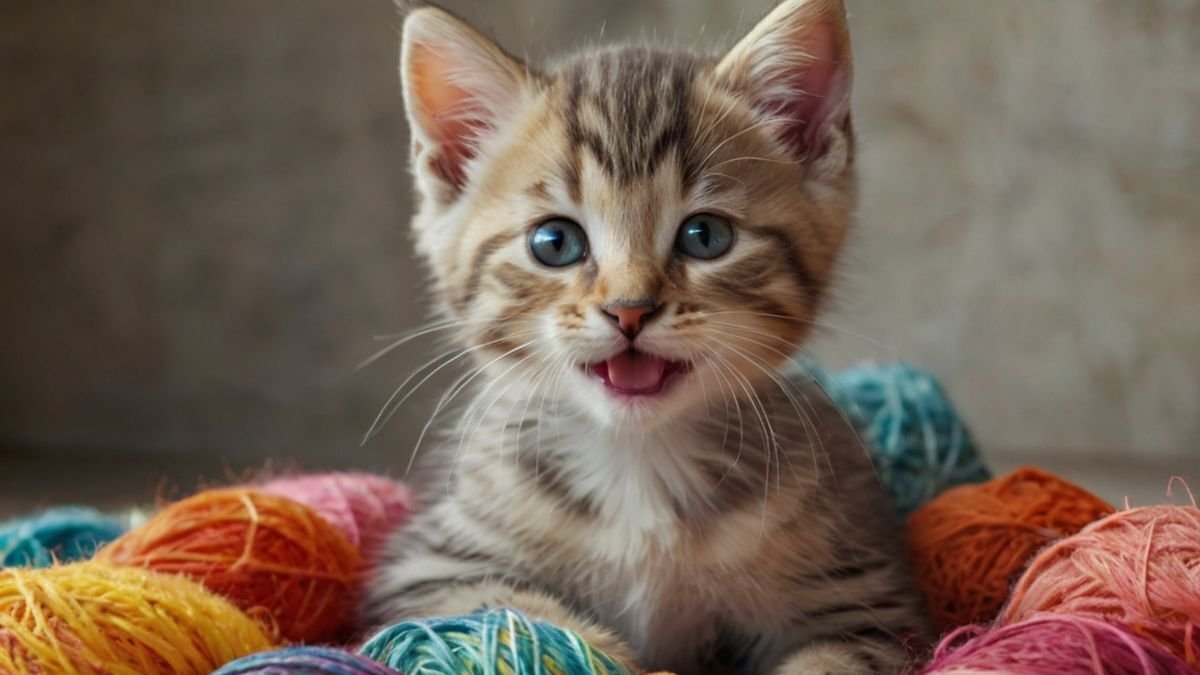
Why Your Cat Makes Snorting or Reverse-Sneezing Sounds: A Normal Reflex Often Mistaken for Illness
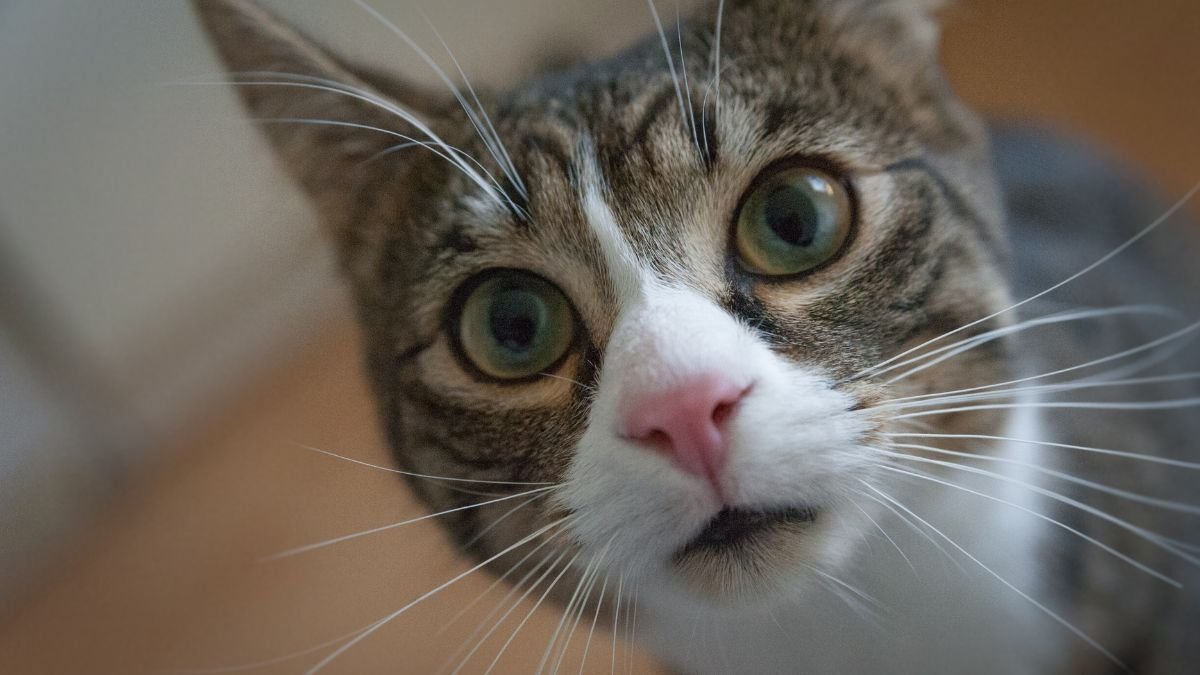
Why Your Cat Chatters at Birds: A Normal Instinct Often Mistaken for Illness

Why Your Cat Twitches in Their Sleep: A Normal Behavior Often Mistaken for Illness
Why Cat Behaviors Are Misread So Often
To understand why cat behaviors cause such confusion, you must begin with the way cats communicate. Unlike dogs, who broadcast their emotions openly, cats operate with remarkable restraint. Their body language leans toward subtle shifts—tightening whiskers, a smaller appetite for a day, or a grooming pattern that looks slightly different. These details can feel, at first glance, like whispers of illness. Yet for the cat, they may simply be a natural response to sound, scent, temperature, or even boredom.
People misinterpret these signals for several reasons. First, cats tend not to reveal pain unless it’s significant. Second, their emotional cues differ enough from human norms that we sometimes read them inaccurately. Third, many normal behaviors overlap with what the internet describes as warning signs, and online searches sometimes amplify the worst-case scenario. Add the emotional layer—owners fear missing something important—and even routine patterns may spark anxiety.
- Cats conceal discomfort until it becomes difficult to hide.
- Feline communication relies heavily on posture and micro-expressions.
- Several normal behaviors resemble medical symptoms.
- Online descriptions often lack nuance or context.
- Owners care deeply and fear overlooking early clues.
Understanding these behaviors doesn’t just reassure you; it strengthens your ability to recognize what genuinely requires attention. That balance—between awareness and calm observation—defines responsible feline care.
What This 10-Article Series Covers
The upcoming articles explore behaviors that routinely puzzle even experienced owners. These are patterns that can look alarming but are, in most cases, connected to instinct, sleep cycles, digestive rhythm, or mental stimulation. Each article examines why the behavior occurs, how to distinguish normal from concerning, and what practical steps you can take to support your cat’s comfort and wellbeing.
Below are the key topics featured in this series:
1. Sudden Zoomies or Random Hyperactivity
A burst of energy may look chaotic, but it’s usually part of a cat’s natural activity cycle and rarely a sign of sickness.
2. Excessive Sleeping
Cats sleep more than most animals—up to 18 hours a day. You’ll learn which sleep patterns reflect normal rhythm and which deviations may need monitoring.
3. Occasional Hairball Vomiting
Though unpleasant, hairballs typically result from healthy grooming habits. The article explains when they’re routine and when they signal a deeper concern.
4. Staring Into Space or “Zoning Out”
Many owners worry this indicates neurological trouble, but it often reflects sensory processing, attention to distant sounds, or simple curiosity.
5. Sleeping in the Litter Box
Common among newly adopted cats or kittens; more often tied to seeking security than illness.
6. Skipping a Meal Occasionally
A single missed meal doesn’t automatically signal sickness. You’ll learn where the threshold lies and how to observe other related behaviors..
7. Hiccups or Small “Hic” Sounds
These small sounds can surprise new owners, but they’re usually harmless spasms similar to those experienced by humans.
8. Twitching During Sleep
Dream cycles can cause rapid paw or whisker movements, sometimes mistaken for seizures. This article offers clear distinctions between the two.
9. Chattering at Birds or Bugs
The strange “chattering” noise reflects predatory instinct, not dental or neurological problems—a behavior both ancient and fascinating.
10. Reverse-Sneezing or Snorting Episodes
Though dramatic, most episodes pass quickly and relate to throat or nasal irritation rather than illness.
Taken together, these articles build a layered picture: many behaviors we assume indicate illness are instead reminders of how deeply instinct guides a cat’s daily life.
The Value of Understanding Your Cat’s Behavioral Language
When you start to see patterns through an informed lens, your relationship with your cat shifts. Instead of reacting to every unusual moment with worry, you begin responding with context and awareness. This shift is subtle but meaningful—both for your peace of mind and your cat’s wellbeing.
- Confidence grows as you interpret behaviors more accurately.
- Calm decision-making replaces worry-driven searching.
- Awareness improves as you track changes over time.
- Emotional connection deepens when you understand what your cat is trying to express.
- Health choices become more thoughtful and timely.
This knowledge doesn’t replace veterinary care—it works alongside it. You’re better prepared to notice when a genuine problem arises, and you’re equally able to recognize when your cat is simply expressing a natural behavior. Sometimes that alone can save unnecessary stress, maybe even a rushed trip to the clinic.
Behaviors That Do Require Closer Attention
While the series focuses on normal behaviors, it’s important to maintain a clear sense of what falls outside the healthy range. Certain signs should prompt timely veterinary consultation, especially if they appear suddenly or worsen over time.
- Collapsed posture or difficulty walking
- Persistent open-mouth breathing unrelated to heat
- Refusal to eat for more than 24 hours
- Repeated vomiting or diarrhea
- Obvious bleeding, seizures, or severe pain
- Behavior changes that escalate or continue for days
You’re not expected to diagnose illness—nor should you try. But learning the difference between instinctive behavior and medically relevant signals gives you a more steady footing. It helps you respond thoughtfully, even when the situation surprises you.
Support Your Cat’s Health
Even when your cat’s behavior is perfectly normal, maintaining their long-term wellness requires a combination of observation, environment, and preventive medical care. Owners often find that peace of mind grows when they have reliable tools and resources ready.
- Review potential coverage options using the Pet Insurance Calculator.
- Consult with a Pet Insurance Agent for guidance tailored to your cat’s needs.
- Request a full quotation at the Get a Quote page.
- Use the Online Vet Portal to recieve timely advice when something feels uncertain.
- Browse everyday wellness essentials at the Pet Care Page.
- Explore additional topics in the FAQ Section.
Cats rarely express themselves in ways that are obvious to us, and their silence sometimes makes us imagine the worst. When you learn to read their behaviors with confidence—and give yourself permission to also enjoy their quirks—you create an environment where both you and your cat feel more at ease. A little knowledge softens the edges of worry, and that space allows your connection with your pet to grow in ways you might not expect. There’s comfort in simply understanding them better, even when their habits seem puzzling at first glance.