
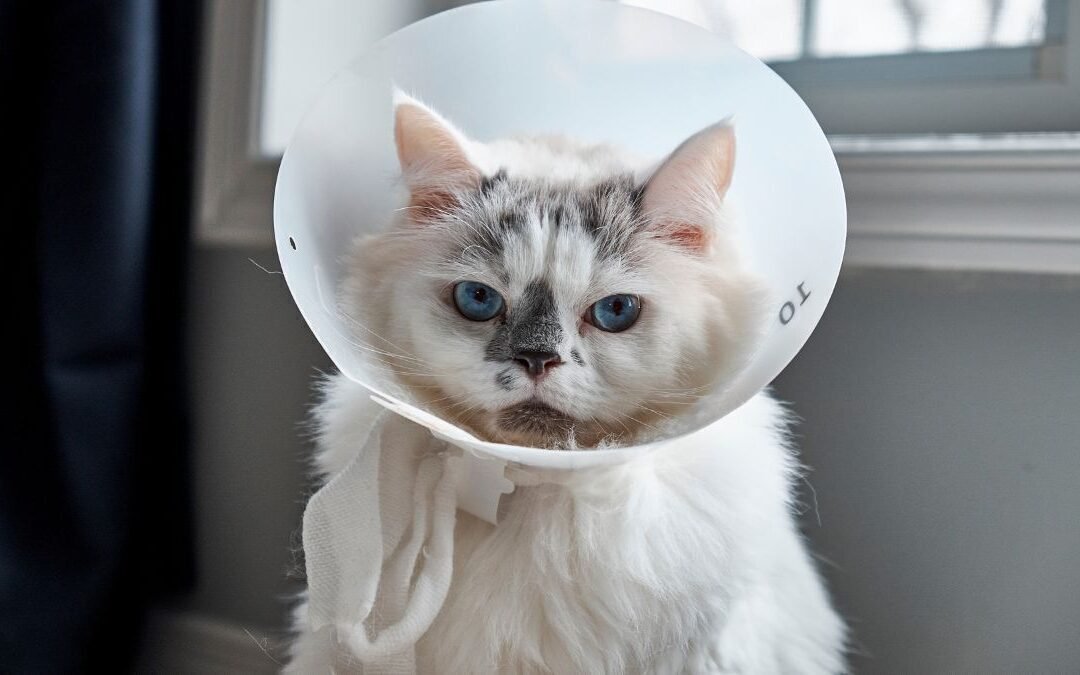
You’re sipping coffee or scrolling on your phone when you hear it: a small, sharp “hic” from somewhere nearby. You look over and see your cat’s sides give a tiny jerk. A few seconds pass. There’s another one. Your cat is awake, eyes bright, not panicking or struggling, but the sound is new enough to send a little jolt of worry through your chest. It doesn’t sound like a full cough or a hairball, but it doesn’t sound entirely “normal” either. It’s no surprise that the first thought many owners have is, “Is my cat sick or normal?”
Because cats don’t hiccup in the dramatic, cartoonish way humans do, even mild, hiccup-like sounds can feel unsettling the first time you notice them. It’s easy to imagine the worst-case scenarios: breathing problems, choking, heart trouble, or some mysterious digestive issue. In reality, brief, hiccup-like sounds are often perfectly normal cat behaviors mistaken for illness. For many healthy cats, these small spasms are simply the body’s way of responding to swallowed air, excitement, or minor irritation in the throat or upper chest—nothing more.
This detailed guide takes a closer look at why cats make hiccup-like sounds, when those sounds are part of everyday life, and how to tell when something might deserve a second look. Along the way, we’ll clear up a few stubborn cat health myths, share practical tips to reduce hiccups triggered by eating or stress, and help you answer that recurring question—“Is my cat sick or normal?”—with more calm and confidence.
Do Cats Really Get Hiccups?
The short answer is yes: cats can experience small, rhythmic spasms of the diaphragm—a thin muscle below the lungs that helps control breathing. When the diaphragm contracts suddenly or repeatedly, it can cause a soft “hic” sound or a tiny jerk in the chest or belly. That’s essentially the same mechanism behind human hiccups, just quieter and far less dramatic.
Unlike coughing or choking, normal cat hiccups are typically:
- Short-lived: They often stop on their own within a few seconds to a few minutes.
- Mild and non-distressing: The cat remains relaxed, breathing steadily, and may even keep grooming or looking around the room as if nothing has happened.
- Isolated: They appear now and then, not dozens of times a day.
- Not paired with other obvious symptoms: There is no open-mouthed breathing, frantic pawing at the face, or repeated gagging.
When you see a calm, alert cat making small, rhythmic “hic” sounds without any sign of panic or pain, you’re most likely noticing one of those normal cat behaviors mistaken for illness. Just like humans, cats are allowed the occasional harmless diaphragm spasm without it being a sign of something seriously wrong.
Everyday Causes of Normal Hiccup-Like Sounds in Cats
Most hiccup-like episodes can be traced back to ordinary parts of a cat’s day—eating, drinking, playing, or grooming. Understanding these triggers can help you interpret what’s happening and decide when to simply keep an eye on things.
1. Eating Too Quickly
Fast eating is one of the most common culprits behind hiccup-like sounds. A cat that bolts toward the bowl as soon as it hits the floor may start gulping food without much chewing. In the process, they swallow extra air along with the kibble or wet food.
That swallowed air can stretch the stomach slightly or shift the position of nearby organs just enough to irritate the diaphragm. The body responds with small spasms that show up as tiny “hic” sounds or short jerks in the chest. These episodes usually pop up shortly after a meal and resolve on their own, often before you’ve even had time to worry.
Cats more likely to get post-meal hiccups include:
- Kittens who haven’t learned to pace themselves and still approach every meal with “I must eat now” urgency.
- Rescue or shelter cats that have experienced food scarcity and feel compelled to eat as fast as possible.
- Highly food-motivated cats who simply get very excited at the sight and smell of food.
When this is the pattern you’re seeing, the behavior is usually harmless and can often be improved with slow-feeder bowls, puzzle feeders, or breaking large meals into smaller portions.
2. Drinking Water Too Quickly
Water can cause similar issues when it’s gulped in big mouthfuls. After a long nap, an intense play session, or a hot afternoon, some cats rush to the bowl and drink rapidly. Along with that water, they may take in pockets of air, which can irritate the diaphragm or create a brief sense of fullness in the upper stomach.
If your cat’s hiccup-like sounds tend to happen right after a long drink—but they’re otherwise acting normal—this simple explanation is often the most likely.
3. Post-Play Excitement and Rapid Breathing
Think about the last time your cat tore through the house in a burst of zoomies, chased a toy at top speed, or wrestled with a playmate. During these high-energy bursts, their breathing and heart rate speed up, then slow down again as they recover.
Rapid shifts in breathing can sometimes make the diaphragm and surrounding muscles contract a little out of sync. The result: a brief series of diaphragm spasms that look and sound like hiccups. When the play session ends and the breathing rate settles, those hiccups usually fade quickly too.
4. Mild Throat or Esophagus Irritation
Another common, non-serious cause is minor irritation in the throat or upper digestive tract. This can happen when:
- Your cat swallows a bit of loose fur during grooming.
- A small piece of food brushes or lightly scratches the back of the throat.
- A tiny amount of hair or dust triggers a brief tickle sensation.
These small irritations can lead to a series of tiny spasms or swallow-like motions that sound similar to quiet hiccups. As long as your cat isn’t repeatedly gagging, retching, or acting distressed, these episodes typically pass on their own without any intervention.
5. Normal Development in Kittens
Kittens, with their still-developing nervous systems and tiny, fast-moving bodies, often hiccup more than adults. Coordination between swallowing, breathing, and diaphragm movement is still maturing. That means their bodies may misfire now and then with small spasms that sound like little hiccups.
As long as a kitten is otherwise playful, curious, eating well, and gaining weight appropriately, occasional hiccups are usually just a normal part of growing up, not a sign of disease.
Why Hiccup-Like Sounds Are So Easy to Misinterpret
Part of the reason these episodes cause so much anxiety is simple: cats can’t tell us what they’re feeling. Any sound that resembles a cough, gag, or gasp can look frightening when you don’t know what’s happening inside. It’s natural for your mind to race toward scary possibilities—especially if you’ve read about serious conditions online.
This is how hiccups often get grouped into normal cat behaviors mistaken for illness. A few persistent cat health myths make the confusion worse.
Myth 1: “Hiccupping means my cat can’t breathe.”
True breathing distress looks very different from simple hiccups. A cat struggling to get enough air will usually show some combination of:
- Open-mouthed breathing.
- Deep, labored or noisy breaths.
- Wheezing or gasping sounds.
- Blue or gray-tinged gums or tongue.
- Panic, restlessness, or collapse.
By contrast, normal hiccups don’t interfere with the flow of air. Your cat continues to breathe between small spasms, usually through the nose, and doesn’t seem frightened or confused. If they look relaxed and mindful of their surroundings, the diaphragm is just having a minor, temporary “glitch,” not cutting off their oxygen.
Myth 2: “Hiccups mean my cat has heart or lung disease.”
Heart and lung problems in cats are serious, but they rarely show up as isolated hiccups. Instead, they tend to cause ongoing symptoms like:
- Persistent coughing or hacking.
- Reduced tolerance for exercise or play.
- General fatigue or hiding more than usual.
- Consistent, labored breathing at rest.
A cat can technically have both a medical condition and occasional hiccups, but hiccups by themselves are not a reliable signal of heart or lung disease. It’s important not to let one short episode overshadow everything else you know about your cat’s daily health.
Myth 3: “Hiccups, coughing, and choking are basically the same thing.”
These three behaviors can look similar at first glance, but there are clear differences when you know what to watch for:
- Hiccups: Soft, rhythmic movements of the chest or abdomen, often with faint sounds. The cat remains alert and calm.
- Coughing: More forceful, with a clear “huff” or “hack.” The body may hunch, the neck stretch out, and the cat may pause afterward as if catching their breath.
- Choking: Rare but urgent.. The cat may paw at the mouth, drool, panic, or struggle to breathe.
When every odd noise is mentally labeled as “coughing” or “choking,” it’s easy to overestimate the danger. Learning to distinguish these patterns helps you answer “Is my cat sick or normal?” with better accuracy and less fear.
Normal Hiccups vs. Potential Red Flags
Most hiccup-like sounds fall squarely in the harmless category, but it’s still wise to know when to look more closely. The key is to consider both the episode itself and what’s happening before and after.
Clues That Point to Normal, Harmless Hiccups
Hiccups are usually just part of normal feline life when you notice that:
- The episode is brief. It lasts anywhere from a few seconds to a couple of minutes, then stops on its own.
- Breathing looks normal. Your cat breathes smoothly between “hics” with no open-mouthed air-hunger.
- Your cat isn’t distressed. There’s no frantic behavior, pawing at the face, or attempts to escape the room.
- No immediate vomiting follows. The episode is not consistently ending in retching or bringing up food.
- Daily habits are unchanged. Eating, drinking, grooming, and playing look just like they always do.
- The frequency is low. Hiccups show up occasionally, not repeatedly throughout every day.
When this is the picture, you can reasonably consider the episode one of those normal cat behaviors mistaken for illness. It’s something to notice, not something to panic over.
Patterns That Deserve Extra Attention
There are situations where hiccup-like sounds may overlap with other issues. While these are less common, they’re important to keep on your radar:
- Very frequent episodes. Hiccups happening many times a day, several days in a row, without a clear trigger like fast eating.
- Paired with coughing or wheezing. Noisy breathing, frequent coughs, or open-mouthed panting between episodes.
- Persistent gagging or retching. Repeated attempts to bring something up with no hairball or food produced.
- Changes in appetite or weight. Refusing food, eating far less, or noticeable weight loss over time.
- Consistent vomiting after hiccups. If almost every episode ends with vomiting, that pattern is less typical of simple hiccups.
- Signs of labored breathing. Rapid, shallow breathing, flared nostrils, or obvious effort with each breath.
These signs don’t automatically mean something serious is happening, but they are strong enough signals to justify professional guidance. Even then, your goal isn’t to spiral into worry—it’s to get clear, specific advice tailored to your cat.
Environmental and Lifestyle Triggers That Influence Hiccups
Beyond food and water, small details in your cat’s environment or daily routine can influence how often hiccup-like sounds appear. These factors don’t make your cat “sick”; they simply show how sensitive and finely tuned feline bodies can be.
Temperature or Airflow Changes
Moving quickly from a warm room t o a cool, air-conditioned space—or lying directly in front of a vent or open window—can sometimes cause muscles in the chest and diaphragm to tighten briefly. Your cat may respond with a few small spasms or hiccup-like sounds and then settle again once their body adjusts to the temperature.
Grooming and Fur Swallowing
Cats are dedicated groomers. Every day, they lick away loose fur, dust, and tiny debris from their coats. Some of that fur gets swallowed, which is normal, but along the way a hair or two may momentarily tickle the throat or upper esophagus.. That little tickle can cause swallowing motions, soft clicks, or small spasms that resemble hiccups.
Regular brushing reduces the amount of loose hair on the coat and, indirectly, the chance of minor irritation from swallowed fur. It also gives you a built-in opportunity to check your cat’s weight, coat quality, and overall comfort up close.
Sudden Excitement or Startle
Doorbell rings, dropped pans, and surprising noises can all startle a cat. Their muscles tense, their breathing pattern shifts, and then everything gradually resets. For some cats, that rapid tension-and-release moment can briefly involve the diaphragm, producing one or two hiccup-like sounds along the way.
Mild Digestive Fullness or Gas
Just like people, cats occasionally experience mild gas or a sense of fullness after eating. Small pockets of gas in the stomach can press upward slightly, causing the diaphragm to react with a tiny spasm. In a healthy cat, this kind of discomfort tends to be temporary and self-correcting.
Gentle Strategies to Reduce Hiccups
Even when you know hiccup-like sounds are usually harmless, it’s understandable to want to reduce them—especially if your cat seems even slightly unsettled when they happen. The good news is that many of the simplest solutions also support better digestion and calmer mealtimes overall.
1. Slow Down How Fast Your Cat Eats
Because fast eating is such a frequent trigger, slowing the pace of meals can make a noticeable difference. Some practical ideas include:
- Serving food in a slow-feeder bowl with ridges or compartments that encourage small bites.
- Spreading kibble on a flat plate or tray so your cat has to move around instead of inhaling it in one spot.
- Breaking one large meal into several smaller portions offered throughout the day.
These adjustments not only reduce swallowed air, they can also make mealtimes mentally stimulating and more satisfying for your cat.
2. Make Mealtimes Calm and Predictable
Cats who feel rushed, threatened, or distracted while eating are more likely to gulp food. You can encourage relaxed, steady eating by:
- Feeding cats in separate areas if you live with more than one pet, so no one feels pressured or crowded.
- Keeping food bowls away from noisy appliances, busy hallways, or slamming doors.
- Sticking to a consistent feeding schedule so your cat knows what to expect.
A quieter feeding environment can ease anxiety and cut down on the “”eat as quick as possible” instinct that drives some hiccup episodes.
3. Encourage Healthy Hydration
Steady, moderate water intake supports digestion and reduces the urge to gulp huge amounts in one sitting. Consider:
- Offering a water fountain if your cat enjoys running water.
- Placing multiple water bowls in different rooms so they’re never far from a drink.
- Including wet food in the diet to naturally boost fluid intake.
Good hydration tends to smooth out digestive rhythms in general, which may indirectly reduce hiccups triggered by stomach discomfort.
4. Brush Regularly to Limit Fur Swallowing
Gently brushing your cat on a r egular basis removes loose hair before it can be swallowed. This helps in several ways: fewer hairballs, less irritation at the back of the throat, and fewer small spasms triggered by fur moving along the upper digestive tract.
Many cats learn to enjoy brushing sessions, especially when they’re brief, positive, and associated with affection or treats. That turns a health-supporting habit into a bonding ritual for both of you.
5. Allow a Rest Period After Eating
It can be tempting to go straight from dinner to playtime, especially if your cat starts batting at toys or begging for attention. But giving them a little window to rest and digest can help. Avoiding intense play or roughhousing right after meals reduces the chance that rapid breathing shifts will trigger hiccups in a sensitive cat.
A Balanced Way to Look at Hiccup-Like Sounds
The first time you hear your cat make short, hiccup-like sounds, it can be unsettling. You care about them, you don’t want to miss anything serious, and your brain immediately starts sorting through everything you’ve read or heard about pet health. That concern is a sign of how much you value your cat—but it doesn’t always mean something is wrong.
Most of the time, these brief episodes are simply another example of normal cat behaviors mistaken for illness. When you see a short, mild series of “hics” in an otherwise healthy, active, and engaged cat, you can usually answer, “Is my cat sick or normal?” with quiet reassurance. At the same time, staying informed about potential warning signs and being prepared for future health needs is part of being a thoughtful, proactive guardian.
Planning Ahead: Tools That Support Your Cat’s Long-Term Health
Even if today’s hiccup episode turns out to be nothing more than a quirky moment, having a plan for your cat’s health makes everyday life less stressful. Instead of wondering how you’d handle a big vet bill or where to turn for quick advice about strange behaviors, you can lean on resources that are already in place.
- Use the Pet Insurance Calculator to estimate the level of coverage that matches your cat’s age, lifestyle, and risk profile.
- Speak with a knowledgeable Pet Insurance Agent if you’d like one-on-one help comparing different plans and understanding what they actually cover.
- Request a tailored quotation through the Get a Quote page so you can see options that fit your budget and priorities.
- Remember that financial protection is only one piece of the puzzle—prevention matters just as much. You can consult an online vet for early guidance, behavior questions, and preventive care advice via the Online Vet portal.
- Explore wellness and digestive support products on the Pet Care page if you’re interested in tools that may help with eating pace, hydration, or overall comfort.
- Visit the detailed Cat Insurance FAQ section to learn more about other normal cat behaviors mistaken for illness and to get clear answers to common questions about coverage and claims.
Strange little sounds and movements are part of sharing your home with a living, breathing animal who can’t put their feelings into words. With a bit of knowledge, some practical adjustments, And a plan for their long-term care, you can meet those moments—hiccups and all—with more calm, more confidence, and the steady reassurance that you’re doing right by the cat you love.
